
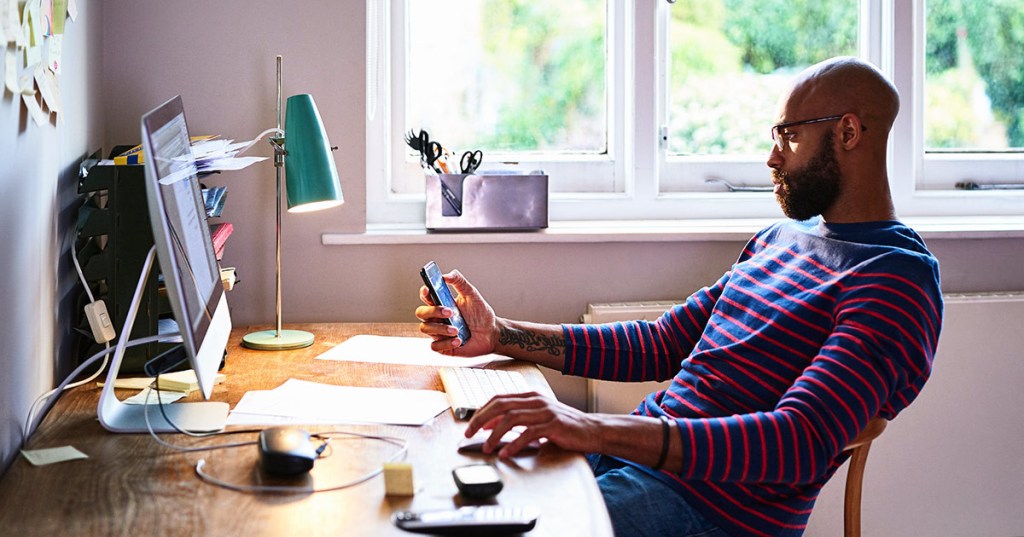
Airlines have grounded their flights, pubs and restaurants are closed (gosh we miss some of our favourite restaurants!) Coronavirus has had a massive effect on so many industries and more than 11 million workers have been furloughed. But some companies have continued to run, by allowing staff to work from home.
What kind of effect has this had on productivity? Does this mean that companies will now become 100% remote? Is working from home the future? Lockdown has a huge effect on the economy and the income of a lot of people, but it’s also offers new opportunities for some workers.
Once lockdown is over, a lot of businesses will be reassessing how they work, also start to put official plans in place, so that they are prepared for a situation like this again. Many companies have seen the positive effect WFH has had on the productivity of their workforce, so this could be something that is integrated into everyday work life for many businesses.
Let’s also remember, that employees working from home reduces overheads for the business. With companies losing a LOT of money over the next few months, they need to find ways to cut costs and recuperate some of the money that’s been lost. A fully remote team, means no need for an office. Important client meetings can be held at co-working spaces that rent out meeting rooms for an average of £30 an hour at WeWork or Fora. The savings that businesses, especially SMEs can make is pretty huge!
A lot of employers may think that remote working is not a good deal, as workers can slack as they are unsupervised. However, there are plenty of tools available to provide easy interaction and to ensure that employers are actually working when they’re meant to, including productivity trackers like TimeCamp or Trello, and plenty of communication tools like Slack, Microsoft Teams and Zoom.
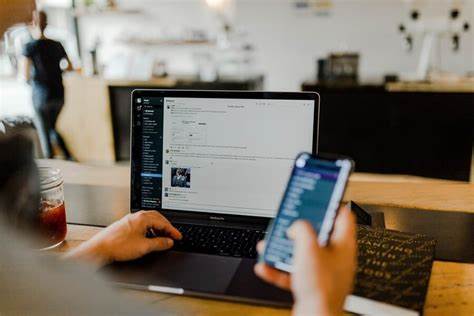
Employers may implement a mixture of office work and remote work to also help offer employees a work/life balance. There’s nothing better than having a productive team who are HAPPY and feel looked after. Employees can spend more time with their family, do more of their hobbies and so much more, while working with less distractions during working hours.
For employers, it may also mean access to a global workforce. Being remote means we can work from anywhere and it also means employers can employ anywhere. This is an opportunity for some SMEs to become international companies.
This global pandemic may well be around for quite a while and lockdown extended (or not), so we have to be realistic about the possibility of remote work being part of our everyday life in the future. Some companies have done well with remote workers, so that just shows that the outbreak, whilst devastating to the global economy and to everyday citizens, could well be the reason the future of work changes for the better.

 SwipSearch Blog