
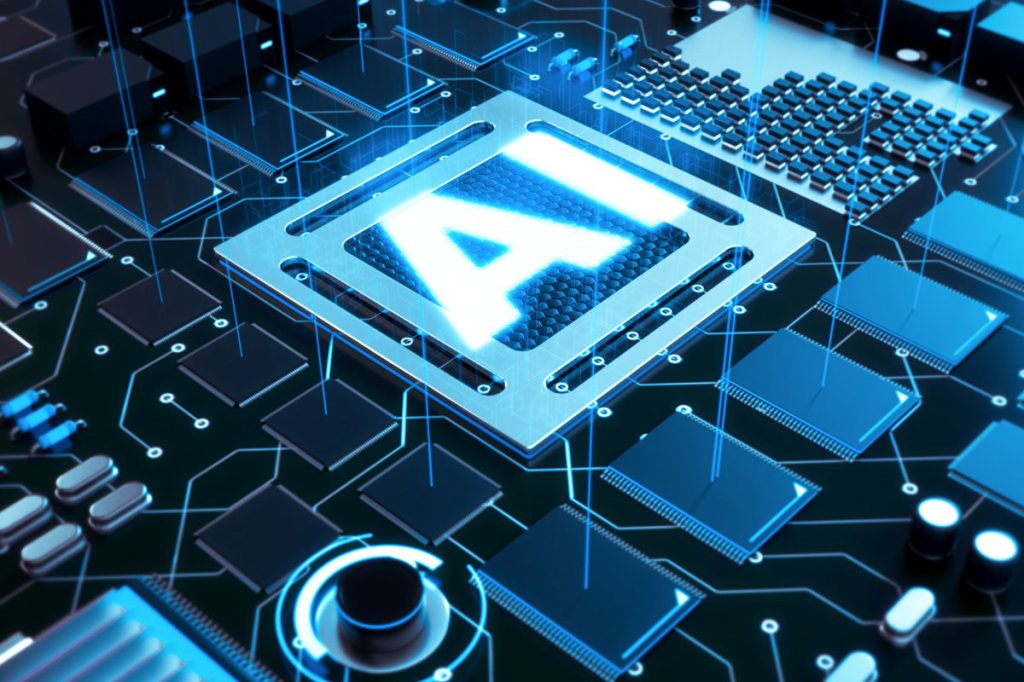
Artificial Intelligence. It’s a part of tech that not many people understand. Most people used to think of robots, just like in the movie “A.I”. Now, people tend to be afraid of AI as they think it will replace people in the workplace. We don’t think that’s quite the case, and just like this article by John Mcendrick, we think it will replace tasks, not people.
So what role does AI have in recruitment? At the moment, the traditional way of recruiting is time consuming, expensive and frankly quite archaic. You post a job, wait for hundreds of CVs to come through. You then have to read all of them and select who to interview and so on, and on, and on….
The other unfortunate thing with traditional recruitment, is that we can become open to unconscious bias. Unconscious bias is the “automatic, mental shortcuts used to process information and make decisions quickly” to which “everyone is susceptible“. In other words, it’s an ingrain human trait that we just cannot get rid of. We all have our preconceptions of people, from our upbringing and life experiences. Good recruiters, will make a concerted effort to not have any kind of bias when screening candidates, but this is just not possible. This leads to possible discrimination. No one wants a lawsuit, but this is what it leaves employers open to.
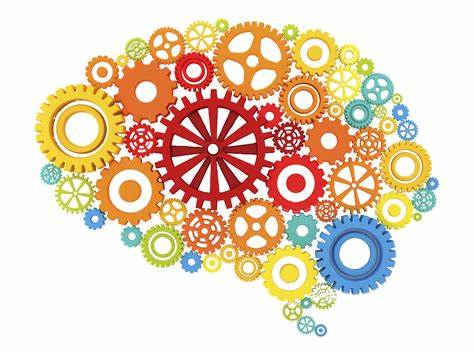
With this, one big advantage of using AI in recruitment, is that it reduces unconscious bias when screening candidates. But what kinds of unconscious bias are there? Here’s a list of three common types of unconscious bias:
The Halo Effect
The halo effect is a type of unconscious bias, that makes us think if a person is good at one thing, then they must be good at the other. this occurs in recruitment, when a hiring manager likes a person and then uses this as a bias by assuming they would be good at a job, rather than assessing their actual skills and ability to determine this.
Similarity Attraction Effect
This is pretty much exactly what it says on the tin. When people seek out others who are just like them. We see it in friendships, relationships and it happens often in recruitment too. Research has shown that employers prefer to recruit people just like them in terms of life experiences, hobbies and beliefs. These ideas do not determine if someone is a fit for a certain job, and is therefore a form of bias.
Confirmation Bias
This type of bias occurs when someone favours information which confirms their beliefs. This type of bias is one reason why hiring managers ask different questions to different candidates. They will tend to ask questions that confirm their preconceptions and beliefs about a candidate, which often results in hiring managers not really being able to compare candidates objectively.
So how does AI help to reduce this unconscious bias we speak of? AI, uses large quantities of data. They use algorithms to combine these data points to form predictions about who are the best candidates for the role. Humans just don’t have the mental capacity to be able to process that amount of data. It’s just too much for us to handle.
Let’s remember that AI has no personality, no life experiences and no prejudice. Therefore, AI can make these predictions objectively, and can do it with ease.
The advantage of the use of AI also means that these results can be validated and tested. The ideal candidate profile would consist of a list of skills, job titles, qualifications (and in our case, values) . The issue is that these can’t be tested to see if they correlate with on-the-job performance.
AI can create a profile based on the actual hard data that either validates or disconfirms beliefs about what to look for in candidates.
Let’s not be fooled however, AI can still form unconscious bias. It find patterns in behaviour, which means that any unconscious bias that was already in a recruitment process can be learned by AI – even if it’s unconscious.
A human touch is therefore still needed to ensure there is no replication of existing biases or creating new ones in the process.
The fact remains that AI is one of the best tools for recruitment. If used properly, it can ensure that people are being recruited based on merit and merit alone. Hiring managers are using AI more and more to aide their recruitment process and this can only mean a more ethical form of recruitment for us all.

 SwipSearch Blog